Training

"Smart Skills for Smart Marketers: Essential Skills for a Career in Digital Marketing with AI"

Hey there, future marketer!

In today’s digital-first world, marketing isn’t just about creativity — it’s about smart strategy, real-time data, and AI-powered precision. If you’re a student, a fresh graduate, or someone ready for a career switch, digital marketing with AI is your golden gateway to the future. The rules have changed, and so have the skills. This blog reveals the essential tools, techniques, and tech you need to master to thrive in one of the most in-demand careers of the decade. Ready to turn clicks into careers? Let’s dive in.

Table Of Contents:

  1. Introduction
  2. Understanding AI in Digital Marketing
  3. AI Digital Marketing Tools
  4. Data Analysis and Interpretation
  5. The Benefits Of Implementing AI
  6. Content Creation and Personalization with AI
  7. CRM and AI-Driven Customer
  8. What are the Pros and Cons of AI in Digital Marketing? 
  9. Top Digital Marketing Skills in 2025
  10. Why Digital Marketers Are Important?
  11. What is a Digital Marketer?
  12. Examples of Digital Marketing Skills
  13. Developing Digital Marketing Skills
  14. Essential Soft Skills for a Digital Marketing Career
  15. Conclusion

1. Introduction

Let’s face it — the job market has changed, and just having a degree isn't enough anymore. Companies are searching for marketers who don’t just know how to post on social media, but who understand how to use AI to work smarter, not harder. That’s why this blog is for you — the student, the graduate, the dreamer, or the career switcher who wants to build a future in digital marketing that’s exciting, future-proof, and powered by tech. AI is everywhere — from the ads you see on Instagram to the emails you get after visiting a website. And guess what? Behind all of that is a smart digital marketer who knows how to use AI to make content better, campaigns smarter, and decisions faster. This guide is your starting point to learn the essential skills for a career in digital marketing with AI — so you don’t waste time learning things that are already outdated. Let’s dive in.

2. Understanding AI in Digital Marketing

Artificial intelligence in digital marketing uses the capabilities of the technology such as data collection, natural language processing, machine learning, and analytics to drive better business insights, and automate marketing tasks and decisions. The advantage of AI is that it will help you gain insights into customer behaviors at speed by harvesting vast amounts of data. These can be used to respond to and tailor a customer’s needs depending on their actions and preferences. AI is also able to adapt and improve over time using feedback and new data. Artificial intelligence offers great opportunities for marketers to be more effective and personalized. This means customers get relevant content that can be triggered by actions on a site, an ad, or a branded message. But AI doesn’t replace the roles and efforts of humans! It is a technology that complements and enhances those but it requires human skills to use it effectively.

3. AI Digital Marketing Tools

1. ChatGPT
• Use: Content writing, blog generation, idea brainstorming, customer queries
• Great for: Quick content creation, email drafts, ad copies
✍️ 2. Jasper (formerly Jarvis)
• Use: High-quality long-form content writing, social media posts, ad copy
• Great for: Professional marketers and content writers who need scale

📊 3. Google Analytics 4 (with AI Insights)
• Use: Analyze website traffic, user behavior, conversion tracking
• Great for: Making data-driven marketing decisions
🔍 4. Surfer SEO
• Use: AI-based SEO content optimization, keyword placement suggestions
• Great for: Ranking blogs higher on Google

🔎 5. SEMrush / Ahrefs (with AI add-ons)
• Use: Keyword research, site audits, backlink tracking, competitor analysis
• Great for: SEO strategy and digital campaign planning

📧 6. Mailchimp (AI Automation)
• Use: Email marketing automation, smart audience segmentation
• Great for: Sending personalized emails at the right time

📱 7. Canva AI (Magic Write & Magic Design)
• Use: Create AI-assisted graphics, social media designs, and copy
• Great for: Non-designers who need professional visuals quickly
📅 8. Buffer / Hootsuite (AI Scheduling)
• Use: Smart social media scheduling, engagement tracking
• Great for: Managing multiple platforms efficiently

📞 9. HubSpot (with AI CRM Tools)
• Use: Automating marketing, lead nurturing, email flows, and CRM tracking
• Great for: Managing customer relationships and automating campaigns

🧠 10. Copy.ai
• Use: Writing ad copy, captions, product descriptions
• Great for: E-commerce and fast-paced content needs

📢 11.Meta Ads Manager (AI Targeting)
• Use: AI-driven ad targeting, lookalike audiences, budget optimization
• Great for: Running paid ad campaigns with better ROI
4. Data Analysis and Interpretation

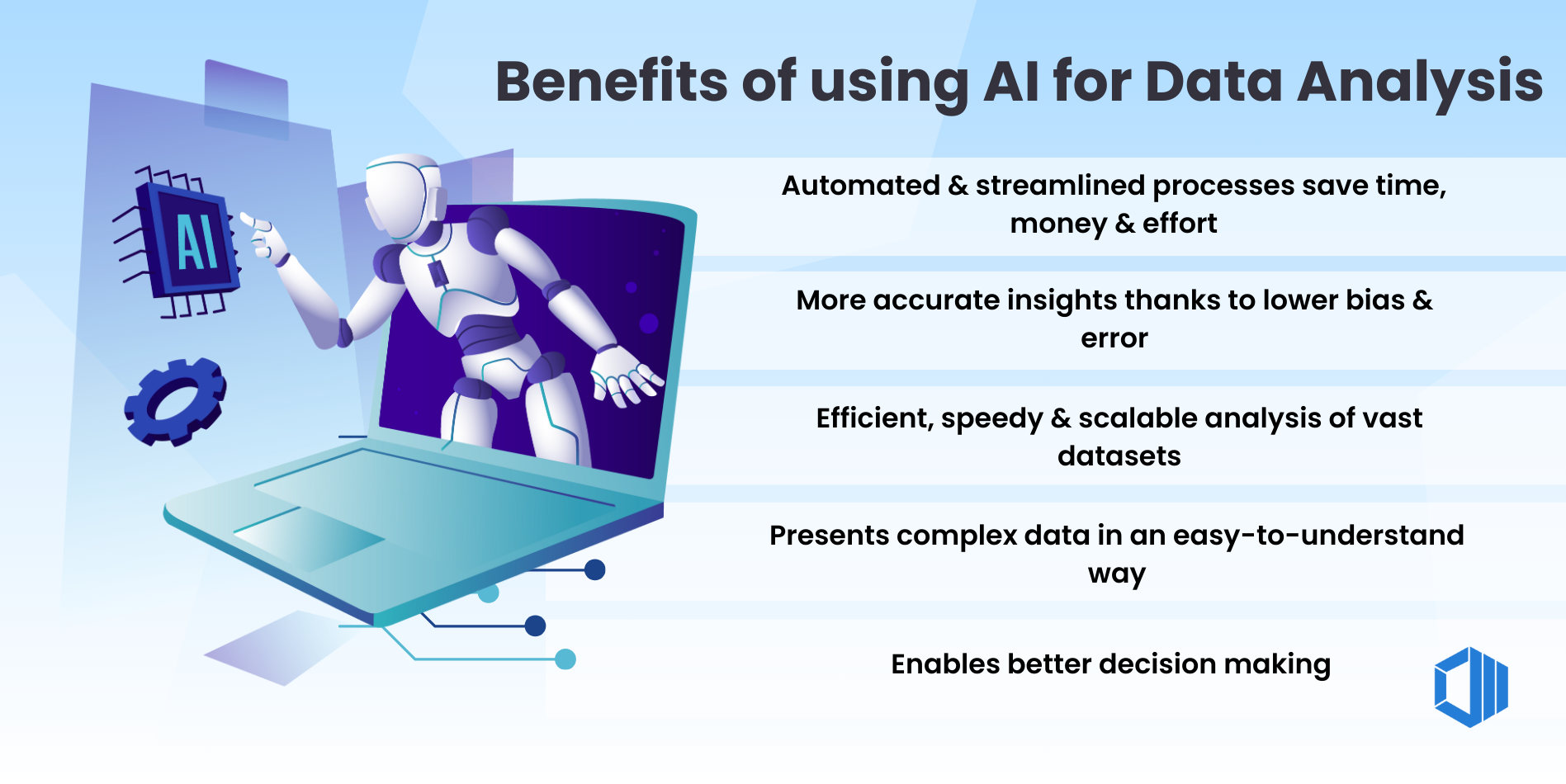
In today’s digital world, customers interact with brands across many platforms — websites, apps, ads, stores, and more. All these interactions create valuable data, but it's often scattered across different systems. That’s where data integration comes in. It’s the process of combining all this customer data from multiple sources into one place to build a complete picture of their behavior and preferences. This is often called a single customer view, and it helps marketers understand their audience better. To start integrating data, marketers collect it from different sources like websites, mobile apps, advertising platforms, or even in-store purchases. This information is then stored in a Customer Data Platform (CDP) — a centralized hub that brings all this information together. Once the data is collected, it’s time to make sense of it. By analyzing trends like cart abandonment, page views, and customer demographics, marketers can find out what’s working and what’s not. But here’s where things get really exciting — artificial intelligence (AI) takes this to the next level. AI tools can quickly analyze massive amounts of data, detect unusual patterns, predict customer behavior, and even suggest what to do next. This makes it much easier to create highly personalized messages and campaigns. For example, AI can help you decide which products to recommend, when to send an email, or even how to manage inventory in retail. Even tools like ChatGPT can help with data analysis. Using its Advanced Data Analysis plugin, you can upload a spreadsheet and get smart, easy-to-understand insights from your raw data. This makes it simpler than ever to turn data into action — without being a data expert. In short, combining data integration with AI helps marketers make smarter, faster, and more personalized decisions. And the better you understand your customers, the more effectively you can connect with them. ​

5.The Benefits Of Implementing AI

In today’s fast-evolving digital world, one thing is clear—AI isn’t just the future, it’s the now. From the personalized recommendations we see on platforms like Amazon and Netflix, to the virtual assistants like Siri and Alexa helping us manage daily tasks, artificial intelligence has seamlessly blended into our everyday lives. In the field of marketing, this transformation is even more profound. AI allows businesses to analyze massive amounts of data, understand user behavior, predict trends, and create personalized content at scale. It’s no longer about guessing what customers want—it’s about knowing it before they do. That’s why Essential Skills for a Career in Digital Marketing with AI have become the key differentiator between job seekers and job-getters. Whether it's using machine learning to optimize ad performance, automating customer support through intelligent chatbots, or curating content that resonates on a personal level, the power of AI has redefined how brands engage audiences. These technologies don’t just make marketing smarter—they make it faster, more efficient, and more impactful. For students and fresh graduates, mastering Essential Skills for a Career in Digital Marketing with AI means gaining expertise in tools that drive real-time analytics, fuel predictive insights, and build campaigns that adapt to user behavior automatically. Even in content creation, AI is enabling marketers to generate high-quality blogs, social media updates, and product descriptions in seconds. Meanwhile, in advertising, AI is revolutionizing the way PPC campaigns are managed—automating bids, choosing optimal ad placements, and targeting the right users at the right time. With AI handling the heavy lifting, marketers are now expected to be more strategic, more creative, and more data-savvy than ever before. That’s why understanding Essential Skills for a Career in Digital Marketing with AI is not just an advantage—it’s a necessity. It prepares you for a world where data drives decisions, automation boosts efficiency, and innovation opens new doors daily. Whether you dream of working in top agencies, freelancing for global brands, or launching your own startup, these skills ensure you’re not left behind in the age of AI—they position you to lead it.​

6.Content Creation and Personalization with AI

They say "content is king", and that still holds true — but now, AI is the secret power behind the throne. Thanks to artificial intelligence, the way content is created and shared is changing fast. AI tools can now help write blog posts, social media captions, emails, and more by analyzing existing content and predicting what readers are most likely to enjoy. This means you can create useful, engaging content faster than ever. For students and beginners, learning how to use these tools is a big advantage. With AI handling repetitive writing tasks, you can spend more time on strategy, creativity, and planning powerful campaigns. It takes the pressure off and lets you work smarter, not harder. AI also shines when it comes to personalization. Customers today don’t want generic content — they want experiences that feel personal and relevant. AI can study user behavior and preferences to help businesses create content that truly connects with different types of people. This leads to more engagement, more trust, and more loyal customers. If you're a student preparing for a career in marketing, now is the time to explore AI tools that support content personalization. Learning how to use them means you'll be able to deliver the right message to the right audience — and that’s exactly what modern brands are looking for.

7. CRM & AI-Driven Customer

The Rise of AI in CRM
When AI tools are added to CRM (Customer Relationship Management) systems, they help businesses understand their customers better and improve how they communicate with them. AI brings a smart, data-driven approach, helping companies learn about customer behavior, preferences, and needs much faster and more accurately.
So, how did we get here? In the past, CRM systems were just databases that stored basic customer details and sales info, mostly used by accounting departments. Over time, more features were added for marketing, sales, and support teams. As companies and customer expectations grew, these old systems couldn’t keep up with the large amount of customer data being collected. That’s when AI stepped in — and completely changed how CRM works today.
Now, businesses have many options to choose from like Salesforce Einstein, HubSpot ChatSpot, Zoho Zia, Freshworks Freddy AI, and IBM Watson Assistant. These tools don’t just store data — they use it to give smart recommendations, automate tasks, and improve customer service in real time.

🌟 Benefits of AI in CRM

1. Enhanced Reporting and Predictive Analytics
AI helps CRM systems do more than just collect data — it helps predict future customer behavior. This means businesses can plan ahead and make better decisions based on accurate forecasts and easy-to-read reports

2. More Personalization
AI makes it easier to give each customer a personal experience. It studies their behavior, preferences, and past actions to recommend the right products, messages, or services at the right time — whether it's on a website, app, email, or even in-store.

3. Enhanced Automation
AI-powered chatbots and virtual assistants can handle basic customer questions 24/7, like tracking orders or answering FAQs. This means support teams can focus on solving more complex issues while customers get faster responses.

4. Focus on Sentiment Analysis
AI can read and understand what people are saying about your brand on social media, reviews, or online comments. It detects whether those mentions are positive, negative, or neutral, and helps businesses respond quickly to improve customer satisfaction.

5. Better Lead Scoring
With AI, sales teams can focus on the most valuable leads. AI looks at things like customer interests, demographics, and behavior to figure out which leads are most likely to buy. It also helps organize leads into groups and even runs marketing campaigns automatically.

6. Manage Unstructured Data
CRM systems deal with huge amounts of unstructured data — like emails, chat messages, or voice notes. AI uses natural language processing (NLP) and machine learning (ML) to understand and organize this messy data, turning it into useful insights. This helps teams make faster and smarter decisions.
8.Top Digital Marketing Skills in 2025

• Skill 1: SEO Expertise

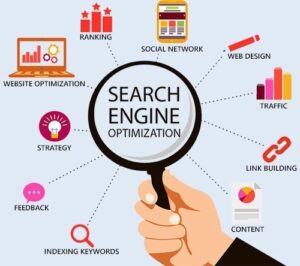
Understanding and implementing SEO strategies improve a website's visibility on search engines. Websites ranking on the first page of Google receive over 90% of clicks. It’s important to note that SEO can help you achieve organic listing which receives a greater share of clicks and visits compared to ads.

• Skill 2: Research and data analysis

Marketing professionals analyze data to evaluate the effectiveness of digital campaigns and improve their marketing strategies. Data analysis and research skills are beneficial for several processes, such as collecting and assessing consumer satisfaction data. These skills can also help you create accurate interpretations and conclusions about data results. Research and analysis skills for digital marketing may involve: Creating user surveys for feedback Understanding research tools and databases Identifying the preferences or needs of a target audience

• Skill 3:Social Media Marketing

Crafting and implementing effective social media strategies to engage and grow an audience is a huge part of digital marketing. Over 3.6 billion people use social media globally, and this number is expected to rise to 4.4 billion by 2025.

• Skill 4:Content Creation

Digital marketers create compelling and shareable content for digital platforms, and studies show content marketing generates three times as many leads as traditional marketing and costs almost 62% less.

• Skill 5:Email Marketing

Designing and executing email campaigns to nurture leads and build customer loyalty is a large part of digital marketing. On average, email marketing is one of the more lucrative aspects of digital marketing and brings in a hefty 4,400% return on investment (ROI).

9.Why are Digital Marketers Important?

Digital marketers play a crucial role in connecting brands with their target audience through various online channels. Think of them as the backbone of every sale that happens between a business and a consumer. Digital marketers handle various levels of functions in the marketing process, from advertising to social media campaigns, creating brand awareness, product placement, etc. To thrive in this dynamic field, you need to be competent, skilled, and able to adapt and learn new things.

10.What is a Digital Marketer?

A digital marketer is a professional responsible for utilising digital channels to promote and advertise products, services, or brands. This involves creating and implementing effective online marketing strategies to reach a target audience, drive engagement, and achieve business goals. Digital marketers are versatile individuals who help set the scene for successful sales, business relations, business deals, and profit by using a combination of analytical, creative, and technical skills.

11.Examples of Digital Marketing Skills

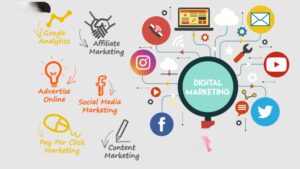
Digital marketing skills are essential in our increasingly internet-dependent world. Having adept digital skills can be highly beneficial when it comes to marketing in the new age. Digital skills is an expansive term used to refer to any and every skill that relies upon and works with the internet and technology. Digital marketing skills, on the other hand, specifically deal with the practices used by digital marketers on digital media, such as the internet, email, etc., to capture the market’s attention. If you have a well-established and verified skillset, starting a successful digital marketing career can be a rather straightforward venture.

12..Developing Digital Marketing Skills

Now here are a few ways you can develop these skills yourself.


1. Education and certification -
Enroll in digital marketing courses and certifications to gain in-depth knowledge and practical skills.

2. Hands-on experience-
Apply theoretical knowledge through internships, freelance projects, or personal projects.

3. Stay updated
Follow industry blogs, attend webinars, and subscribe to newsletters to stay on top of the latest trends and technologies.

13.Essential Soft Skills for a Digital Marketing Career

1. Adaptability-
The ability to adapt to the rapidly changing digital landscape is crucial for success.

2. Creativity-
Creativity aids in crafting compelling content and innovative marketing campaigns.

3. Analytical thinking-
Analytical skills are vital for interpreting data and deriving actionable insights.

14. Conclusion

Think Like a Creator. Work Like a Strategist. Grow Like a Pro.

The future of digital marketing doesn’t belong to those who just work hard — it belongs to those who work smart. Today’s top marketers are combining creativity with AI-powered tools to stay ahead. And the best part? You don’t have to be an expert from day one. Start small. Try out one AI tool, write your first piece of content with its help, or analyze a simple campaign. Every small step brings you closer to becoming not just job-ready, but in-demand. The skills you build now will help you grow faster, earn better, and create a real impact in one of the world’s fastest-growing industries. We get it — AI can feel overwhelming at first. But it’s not a threat; it’s a powerful assistant that can take care of boring, repetitive tasks so you can focus on big ideas and strategy. Learning how to use AI doesn’t just make your job easier — it boosts your confidence, sharpens your creativity, and gives you a competitive edge in the job market. So, ask yourself: will you watch from the sidelines, or will you dive in, learn, experiment, and grow with it? Because the sooner you start, the sooner you win.